How Innovations in Disposable Gloves Are Shaping Food Safety Standards in Professional Kitchens

Disposable gloves have long been a silent but essential part of professional kitchens. Over the past decade, however, gloves have transformed from a simple tool for handling food to a crucial element in upholding increasingly stringent food safety standards. At Clean Space Project, we’ve witnessed firsthand how innovative materials and design are changing the landscape of food safety—from bustling restaurant kitchens to institutional cafeterias.
Why Kitchen Glove Innovation Matters to Food Safety
Modern commercial kitchens face immense pressure to deliver not only delicious food but safe, uncontaminated meals. Cross-contamination, food-borne illnesses, and allergen management are ongoing threats. Disposable gloves form the frontline of defense, and the evolution of glove technology is helping kitchens meet higher regulatory and industry standards.
Key Regulatory Drivers Shaping Glove Design
- Stricter Health Code Enforcement: Health departments and organizations like OSHA continually refine their standards, ensuring gloves used in food prep provide robust barrier protection and are free of harmful chemicals that could leach into food.
- Growing Allergen Concerns: The increased prevalence of latex allergies has made latex-free gloves, especially nitrile, essential in both back-of-house and front-of-house operations.
- Demand for Traceability: As food safety investigations become more rigorous, glove manufacturers are expected to provide material safety data and support compliance documentation.
Innovations in Glove Materials: The Rise of Nitrile
Once, kitchens largely depended on latex or vinyl gloves. Today, the shift to high-quality nitrile gloves—like our CSP 5.5 mil Black Nitrile Exam Gloves—has provided food professionals with a reliable alternative. Why the shift?
- Latex-Free Protection: Nitrile gloves eliminate latex allergy risks for both staff and patrons.
- Superior Chemical Resistance: Nitrile stands up to oils, acids, and harsh cleaners, making them ideal for multi-tasking kitchens.
- Strength and Durable Design: Our CSP gloves are engineered to resist tearing, even when stretched or snagged, reducing the risks of glove breakage during fast-paced prep.
- Enhanced Grip and Dexterity: Fully textured surfaces ensure kitchen staff maintain control over utensils, even when handling wet or oily ingredients.

Fit, Comfort, and Safety: Innovations on the Front Line
Making gloves stronger isn’t enough. In kitchens where long shifts are the norm, glove comfort and practical features can have a significant impact on worker safety, job satisfaction, and even productivity.
- Ergonomic Sizing and Fit: Enhanced fit means fewer glove changes due to discomfort or loss of dexterity, reducing contamination risk and glove waste.
- Breathability and Moisture Control: Modern nitrile gloves, especially those designed for foodservice, are more breathable, helping staff avoid excess sweating and hand fatigue during long hours on the line. For tips on keeping hands dry during long tasks, check out this guide.
- Quick Donning and Touch Screen Compatibility: With fast-paced orders and digital kitchen equipment, gloves that support rapid changes and allow screen-use smoothen workflow—our CSP gloves maintain touchscreen responsiveness for digital inventory and recipe management.
Impact of Glove Performance on Kitchen Operations
When gloves tear easily or impede tactile sensation, kitchen staff might be tempted to work without them—or change them too frequently, driving up costs and increasing contamination risks. By selecting gloves engineered for both durability and sensitivity, professional kitchens benefit in several ways:
- Consistent Barrier Integrity: Gloves that are less likely to tear provide safer food handling throughout service, minimizing risk of pathogens passing from food handlers to food.
- Reduced Glove Waste: Tough gloves require less frequent replacement, saving money and reducing environmental impact—an important factor for sustainability-conscious kitchens.
- Improved Employee Compliance: When gloves feel natural and don’t hamper movement, staff are more likely to follow hygiene protocols without shortcuts.
For more ways to prevent glove breakage and save costs in high-volume environments, visit this blog.
Specialized Use Cases: Food Prep, Butchery, and Pastry
Food safety glove needs vary across different stations and applications. Let’s look at a few:
Protein Stations
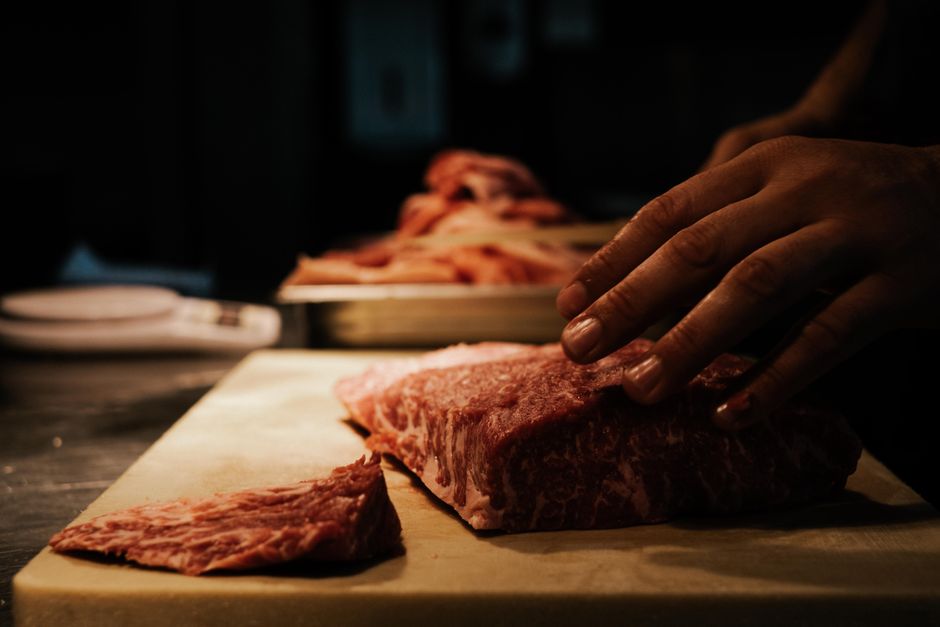
- Handling raw meat and seafood requires gloves with high puncture resistance and textured grip for safe, hygienic cutting and portioning.
Pastry & Bakery
- Fine dough work and chocolate tempering require gloves that provide tactile sensitivity, allowing pastry chefs to shape and decorate with precision.
Vegetable Prep
- Cutting, peeling, and washing produce exposes gloves to water and acids. Moisture-resistant nitrile gloves maintain grip and don’t degrade easily.
Plating and Final Assembly
- Gloves for plating must be clean, powder-free, and offer a balance between touch sensitivity and protection, avoiding any risk of glove residue on finished dishes.
For a deeper dive into how to select the right disposable gloves for specific food and tool-related tasks, check out this guide.
Cross-Contamination Control: Innovations Beyond the Glove
Modern glove solutions aren’t just about material. Professional kitchens have adopted color-coded gloves, hands-free dispensers, and protocols for scheduled glove changes—all of which are easier and safer with gloves that don’t easily rip or become sticky. Using gloves responsibly is as critical as the gloves themselves. For actionable steps to prevent cross-contamination, explore our cross-contamination prevention blog.
Sustainability: The Next Chapter in Glove Innovation
More food businesses now seek eco-friendly options. While durability means fewer gloves used, manufacturers are exploring biodegradable and recyclable materials. At Clean Space Project, we’re closely monitoring these developments, aiming to balance uncompromising food safety with a responsibility to the planet.
Supporting Kitchen Safety Culture Through Education
Innovations matter—but staff training is just as crucial. We believe proper glove use, regular glove changes, and an understanding of when gloves must be swapped (moving from raw to cooked food, handling allergens, etc.) underpin true food safety. We prioritize providing educational resources and support to our customers, helping them exceed both regulatory requirements and customer expectations.
Choosing Gloves That Exceed Today’s Food Safety Standards
As the kitchen environment evolves, so must your tools. High-quality disposable gloves, like the CSP NITRILE GLOVES, embody the best of these innovations:
- Extreme chemical and puncture resistance
- Fully textured grip for all types of kitchen tasks
- Comfort and dexterity for long shifts
- Touch screen compatibility for digital kitchen operations
- Consistent and reliable barrier protection
Final Thoughts: The Future of Kitchen Glove Technology
The intersection of glove innovation and food safety is just beginning. At Clean Space Project, we continue to invest in performance-driven gloves so professional kitchens can confidently focus on their craft, knowing food safety requirements are not just being met, but exceeded. If you’re ready to upgrade your kitchen or want to learn more about innovations in food-safe protection, explore our CSP Nitrile Gloves or reach out with any questions.