How to Prevent Cross-Contamination When Using Disposable Gloves in Kitchens and Workspaces

Cross-contamination is one of the biggest threats to food safety and workplace health. Whether you're running a booming restaurant kitchen, managing a busy tattoo studio, or leading a team in auto repairs, the way you handle disposable gloves is often the silent difference between a safe, compliant environment and a potential disaster. At Clean Space Project, we've seen firsthand how small changes in glove habits can make a massive difference. In this blog, let's dig into how to truly prevent cross-contamination when using disposable gloves in kitchens and workspaces—and why it's an art as much as a science.
Why Cross-Contamination Matters
It only takes a second for bacteria, allergens, or chemicals to transfer from one surface to another. In professional settings—from kitchens to garages—the risks can include foodborne illness, allergic reactions, or hazardous exposure. Disposable gloves are designed to be the first line of defense, but only if used with intention and the right technique.
Understanding How Gloves Can Become Contaminated
There’s a myth in many workplaces that gloves are magical shields: as long as you’re wearing them, you’re safe. The truth? Gloves are only as effective as your habits. Here are some common ways gloves actually cause cross-contamination:
- Touching ready-to-eat foods after handling raw meat or dirty surfaces
- Switching between tasks (e.g., from cleaning to food prep) without changing gloves
- Using mobile phones or touch screens with gloved hands
- Reusing gloves that are meant to be single-use
The Right Glove for the Task: It Matters
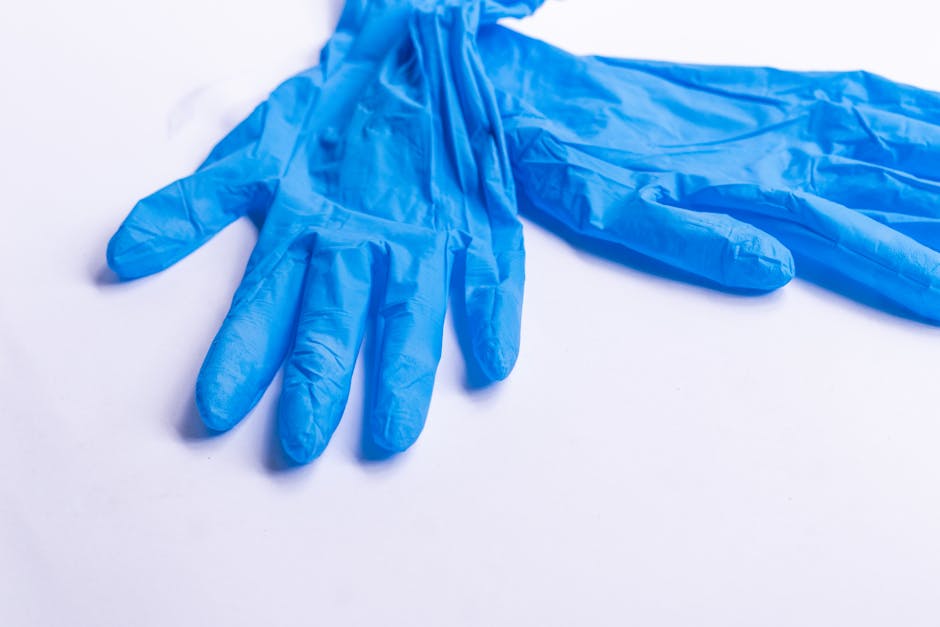
The choice of disposable glove isn’t just about comfort. Our CSP Nitrile Gloves were designed specifically for high-risk environments. With 5.5 mil thickness and full texturing, they provide:
- Enhanced protection against chemicals and punctures
- Superior grip, even when working with wet or oily food and surfaces
- Touchscreen compatibility to reduce unnecessary glove changes
Remember: latex-free gloves are crucial in environments where guests or workers might have latex allergies.

Key Steps to Prevent Cross-Contamination
1. Change Gloves Between Every Task
One of the most overlooked rules! Change gloves:
- After handling raw proteins and before touching cooked or ready-to-eat items
- When switching from cleaning/chemical tasks to food prep or customer service tasks
- Any time gloves become torn, dirty, or contaminated
It costs pennies to change gloves but could save you from hefty fines or customer complaints.
Pro tip: Place glove boxes at every work station to make the habit frictionless.
2. Wash Hands Before & After Glove Use
Even the best gloves can’t save you if hands underneath are dirty. Make it a rule:
- Wash hands before putting on new gloves
- Wash again immediately after removing gloves to remove any contaminants that might have slipped through tiny pinholes or during removal
3. Avoid Touching Unnecessary Surfaces
Your gloves shouldn’t touch your hair, face, phone, paperwork, or personal items while you’re working. Designate hands for specific tasks to avoid accidental transfer of germs or chemicals.
4. Use the Proper Technique for Glove Removal
Taking gloves off incorrectly can transfer bacteria right back onto your skin. Here’s a safe removal process:
- Pinch the outside of one glove at the wrist (avoid touching your skin).
- Peel it away from your hand, turning it inside out as you go.
- Hold the removed glove in your gloved hand.
- Slip a finger under the wrist of the remaining glove and peel it away inside out, trapping the first glove inside.
5. Correct Glove Sizing & Storage
Improperly sized gloves tear easily, while poorly stored boxes allow for contaminated gloves to enter the workflow. Always:
- Stock a range of sizes for all team members’ hands
- Store gloves in a clean, dry environment away from chemicals and sunlight

Culture of Clean: Training and Reminders Matter
Habits don’t form overnight. Creating a workspace where glove protocol is automatic requires:
- Regular training sessions that cover both food service and cleaning staff
- Visual signage in kitchens, prep areas, and entryways reminding workers when to change gloves
- Encouragement of a culture where anyone can speak up about glove violations—without blame
Special Tips for High-Risk Environments
Within the Clean Space Project community, we serve tattoo artists, mechanics, chefs, and cleaners—each with unique challenges:
- Tattoo Artists: Change gloves between each client and any time there’s an interruption (phone, new equipment, breaks).
- Chefs: Use color-coded systems for different foods or allergens. Beware of cross-contact with utensils and surfaces.
- Mechanics & Cleaners: Wear gloves for chemical safety, but don’t forget to replace them after handling particularly dirty items to avoid grime transfer to cleaner areas.

What About Glove Waste?
The flip side of better glove habits is more frequent changes—which means more glove waste. Here’s how to be eco-conscious while staying safe:
- Choose durable nitrile gloves that won't rip during normal use, minimizing the number needed per shift.
- Encourage team members to remove gloves gently to avoid shredding the material.
- Dispose of gloves properly in lined, designated bins and keep those bins away from food or client areas.
Conclusion: Small Choices, Big Impact
Cross-contamination prevention is less about fancy tools and more about thoughtful, repeated actions. At Clean Space Project, our mission is to keep spaces—including restaurants, workshops, and schools—as safe and healthy as possible. Mastering glove usage is a cornerstone of workplace safety, and getting it right means happier teams, healthier customers, and greater peace of mind.
If your business is ready to step up glove quality or consistency, check out our CSP Nitrile Gloves—the glove of choice for demanding environments. We're here to help your team work clean, smart, and safe—every single day.