How to Keep Your Hands Dry in Nitrile Gloves During Long Tasks
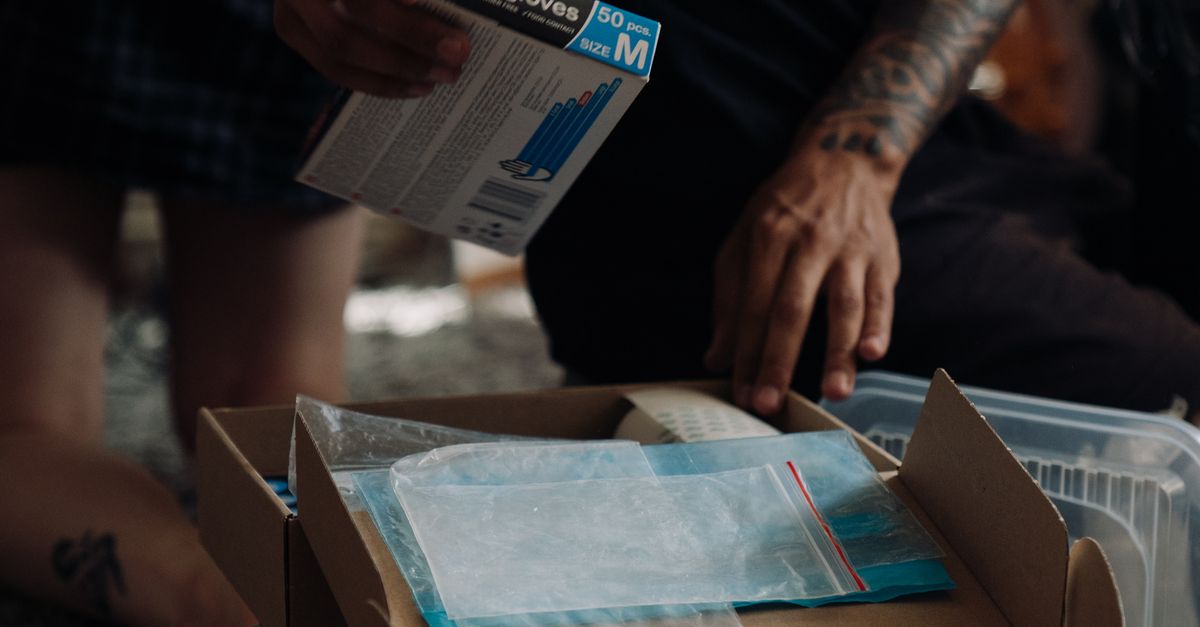
If you’ve ever worn nitrile gloves for hours at a stretch—whether you’re wrench-deep under the hood, lining up the next perfect tattoo, prepping for the dinner rush, or cleaning every inch of a workspace—you probably know the uncomfortable feeling of sweaty, damp hands. Over time, moisture buildup can be more than just annoying: it can cause your hands to slip inside the gloves, lead to skin irritation, or even threaten your grip and precision. Based on countless conversations with customers like you, at Clean Space Project we know the struggle is real. That's why we've gathered the most effective strategies for keeping your hands dry during those long, demanding tasks in nitrile gloves.

Understanding the Challenge: Why Hands Sweat in Nitrile Gloves
Nitrile gloves—like our CSP 5.5 mil Black Nitrile Exam Gloves—are prized for being durable, chemical-resistant, and latex-allergy friendly. But their snug, impermeable barrier means sweat and moisture can become trapped, especially during high-intensity or precision work. For those of us in professions where safety and sensitivity matter, this can become a distraction. Skin needs to breathe, but protection can’t be compromised.
1. Start with Clean and Dry Hands
This simple step is our first line of defense. Before donning nitrile gloves, always wash hands thoroughly and dry completely. Any residual moisture or lotions can increase sweating once your hands are sealed inside. If you’re shifting between tasks, take the opportunity to air your hands and start fresh before slipping new gloves on.
2. Use a Moisture-Absorbing Barrier
- Glove liners: Thin, disposable or reusable cotton glove liners can absorb sweat while preserving touch sensitivity. These are especially beneficial for long shifts but may not suit tasks requiring maximum dexterity.
- Powder or cornstarch: Lightly dusting your hands with a small amount of cornstarch-free powder or baby powder (making sure it won’t interfere with your work or contaminate surfaces) can help manage moisture. Avoid talcum powder due to health concerns, and don’t use excessive amounts, as residue could build up inside the glove over time.
3. Choose the Right Glove Fit
Too-tight gloves will make your hands sweat more, while too-loose gloves can slip, causing friction and irritation. Make sure to select the correct glove size for your hand; this reduces sweating by allowing a tiny bit of airflow and less skin contact with the material.
4. Take Regular Glove Breaks
Whenever the task and safety protocol allow, take brief breaks to remove your gloves and let your hands breathe. If you’re transitioning between jobs or can step away safely, give your hands a minute or two of air. This habit helps reduce prolonged moisture exposure, which can weaken skin and increase risk of irritation or dermatitis.
5. Rotate Gloves During Your Shift
Instead of wearing the same pair for hours, keep extra gloves handy and swap to a fresh pair every so often. This is cost-effective with high-quality, durable gloves such as our CSP Nitrile Gloves, which are built to last longer but also affordable enough for frequent changes. Rotating gloves helps cut down on internal moisture buildup.

6. Optimize Workspace Temperature and Humidity
Sometimes, it’s not just the gloves—it’s the temperature and humidity of your work environment. Working in hot kitchens, auto shops, or improperly ventilated studios will amplify hand sweat. Keep fans, air conditioning, or proper ventilation handy where possible, or try working in cooler periods of the day if your schedule is flexible.
7. Practice Hand Care and Hydration
It might seem contradictory, but keeping your skin healthy and hydrated helps prevent excessive sweating. Overly dry hands may trigger the body to sweat more inside the glove. Moisturize before and after work, but avoid heavy creams right before gloving up. If irritation or maceration (wrinkly, waterlogged skin) develops, a barrier cream at the end of your shift can help restore your hands.
8. Consider the Glove Material and Quality
Not all nitrile gloves are created equal. High-quality gloves like our CSP 5.5 mil Black Nitrile Exam Gloves offer reliable protection without the excessive sweatiness or risk of tearing found in cheaper, thinner alternatives. Since our gloves are fully textured, they maintain grip even when a bit of moisture does develop—crucial for chefs, mechanics, tattooists, and cleaners who can’t afford to lose precision.

Tips for Specific Professions
- Mechanics: Use a thin liner for heavy repairs. Rotate gloves often during tasks that require heavy gripping or involve heat.
- Tattoo artists: Prioritize glove fit for precision. Cornstarch or glove breaks during long sessions can help maintain a steady hand.
- Chefs: Work in well-ventilated kitchens and change gloves after prepping particularly moist ingredients. Avoid heavy lotions that could affect grip.
- Cleaners: Take scheduled breaks to air out hands between rounds, especially in hot environments or while using strong chemicals.
How We Do Things Differently at Clean Space Project
We understand that one-size-fits-all solutions simply don’t work in real, demanding environments. That’s why we’ve developed our CSP Nitrile Gloves based on feedback from countless professionals—mechanics, artists, chefs, and cleaners—who told us what matters most. Our gloves are made to be strong, durable, and maintain dexterity, so you can use fewer gloves per shift. In fact, many customers notice less waste and better comfort simply from switching to a glove that doesn’t easily tear or get saturated with sweat.
Final Thoughts: A Proactive Mindset
Keeping your hands dry during long tasks in nitrile gloves is not about one single trick—it’s about layering effective habits, smart workplace routines, and choosing gear that’s up to the job. Invest in your comfort and protection, and your productivity (not to mention your skin!) will thank you for it.
Ready to experience nitrile gloves that won’t let you down? Explore our full collection of CSP Nitrile Gloves and see why so many professionals have made Clean Space Project their top destination for protective gear that works just as hard as they do.