The Science Behind Chemical-Resistant Gloves: Understanding Protection Levels for Everyday Hazardous Tasks

In our everyday lives, we often encounter invisible dangers—whether we’re cleaning up a kitchen spill, fixing a car, tattooing a client, or simply tackling a DIY project at home. Hazardous chemicals are all around us, from household cleaning agents to automotive fluids, inks, and food prep chemicals in commercial kitchens. That’s why choosing the right chemical-resistant gloves isn’t just a matter of comfort—it's about protecting your health and wellbeing with science-backed solutions.
What Makes a Glove Chemical-Resistant?
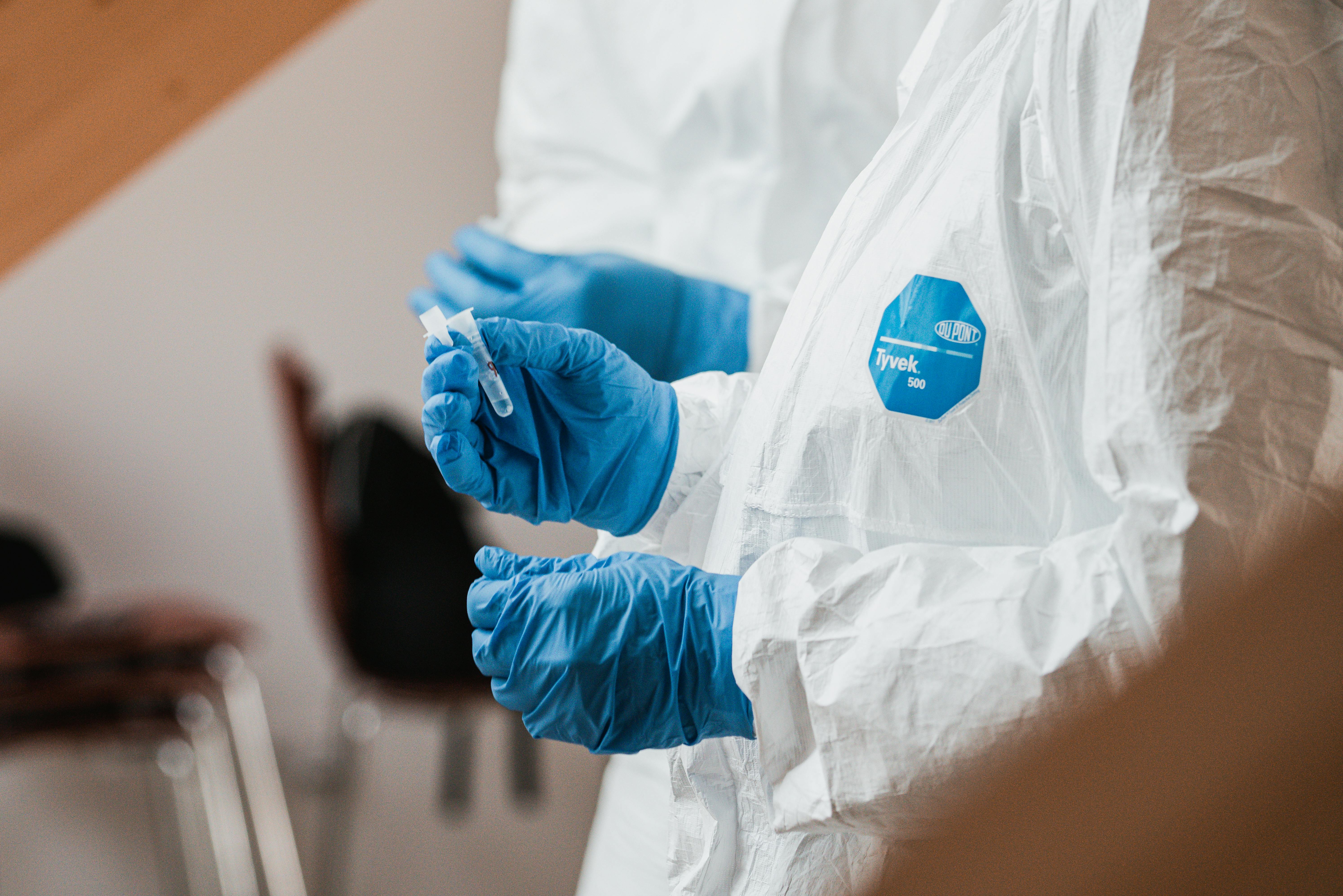
Not all gloves are created equal. Chemical resistance in gloves comes down to the basic principles of material science and engineering. The right glove acts as a physical barrier, preventing harmful substances from coming into contact with your skin. But what separates ordinary gloves from true chemical-resistant gloves is the carefully engineered compound and glove thickness, along with the manufacturing process that gives each pair their unique protective properties.
- Material Selection: The foundation of chemical resistance. Nitrile, for example, is highly resistant to oils, solvents, and certain acids, making it a top choice for professionals who regularly deal with such hazards.
- Glove Thickness: The thicker the glove (measured in mils), the higher the level of protection—though this can impact dexterity. Finding the right balance is key.
- Texturing: Fully textured surfaces on chemical-resistant gloves provide reliable grip, even when handling slippery or hazardous materials.
How Chemical Resistance Is Measured
Choosing the right glove isn’t as simple as grabbing the first box off the shelf. The science of glove selection lies in understanding resistance levels. Here are the main criteria used by scientists and glove manufacturers alike:
- Permeation: The process by which a chemical passes through a glove material on a molecular level.
- Breakthrough Time: How long it takes for a chemical to be detected on the inside of the glove. Longer breakthrough equals better protection.
- Degradation: How the glove material physically breaks down when exposed to a chemical (e.g., swelling, shrinking, cracking).
Why Nitrile Reigns Supreme for Everyday Hazardous Tasks
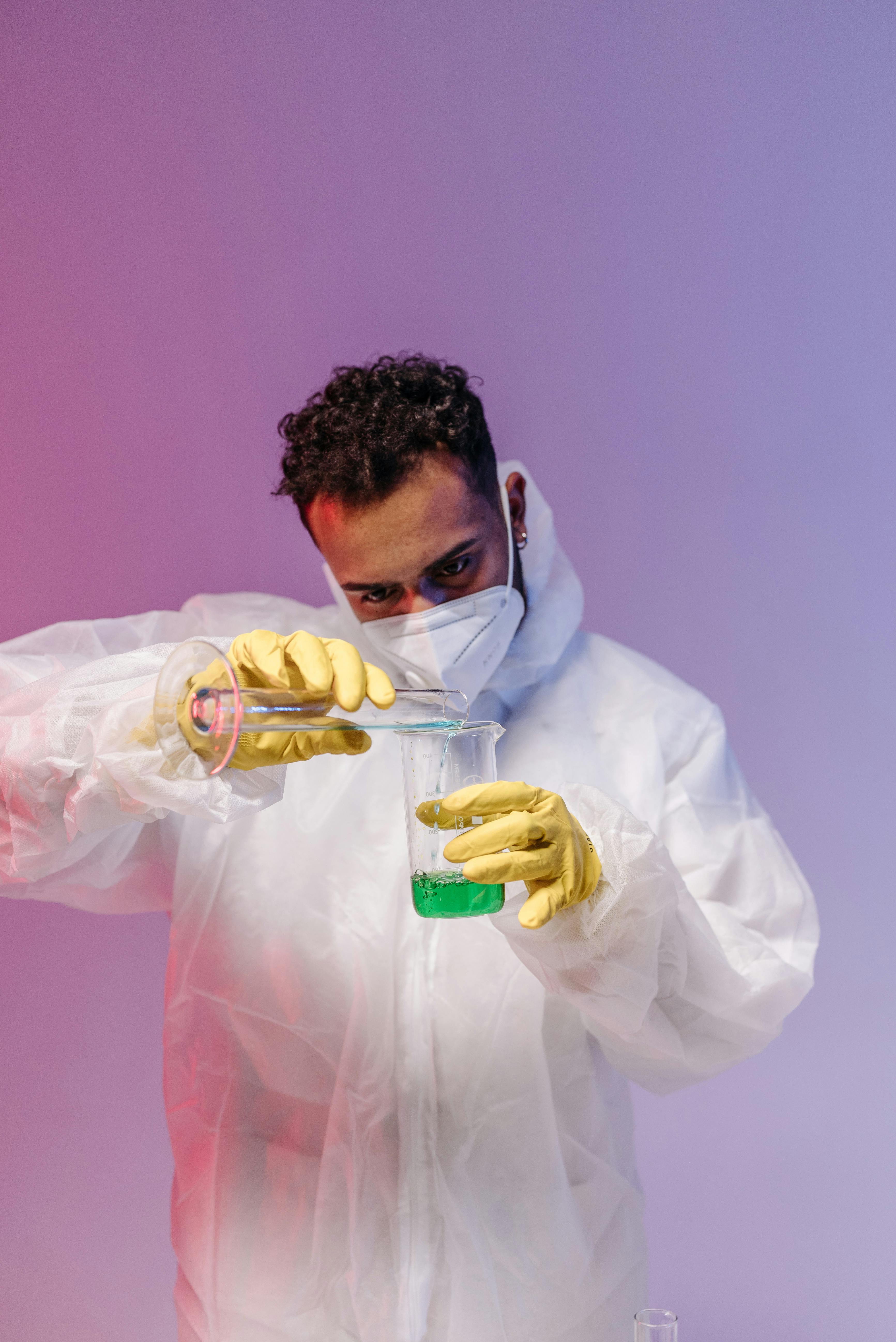
At Clean Space Project, we’re passionate about science-driven safety. In our search for the perfect glove, we put nitrile at the top—not just because it’s latex-free, but because its unique molecular structure provides broad resistance to a range of hazards:
- Automotive Chemicals: Nitrile gloves resist oils, greases, and many solvents common in garages and workshops.
- Cleaning Agents: From bleach to ammonia-based cleaners, nitrile stands strong where latex and vinyl gloves often falter.
- Tattoo and Art Inks: Nitrile repels ink and dyes, minimizing skin absorption for professionals in the craft.
- Food Service and Hospitality: Nitrile is FDA-compliant for food handling, resisting animal fats and spicy ingredient oils.
- Allergen-Free: Latex can trigger allergic reactions, but nitrile is a safer choice for both workers and customers.
Real-Life Applications: Protecting Everyday Heroes
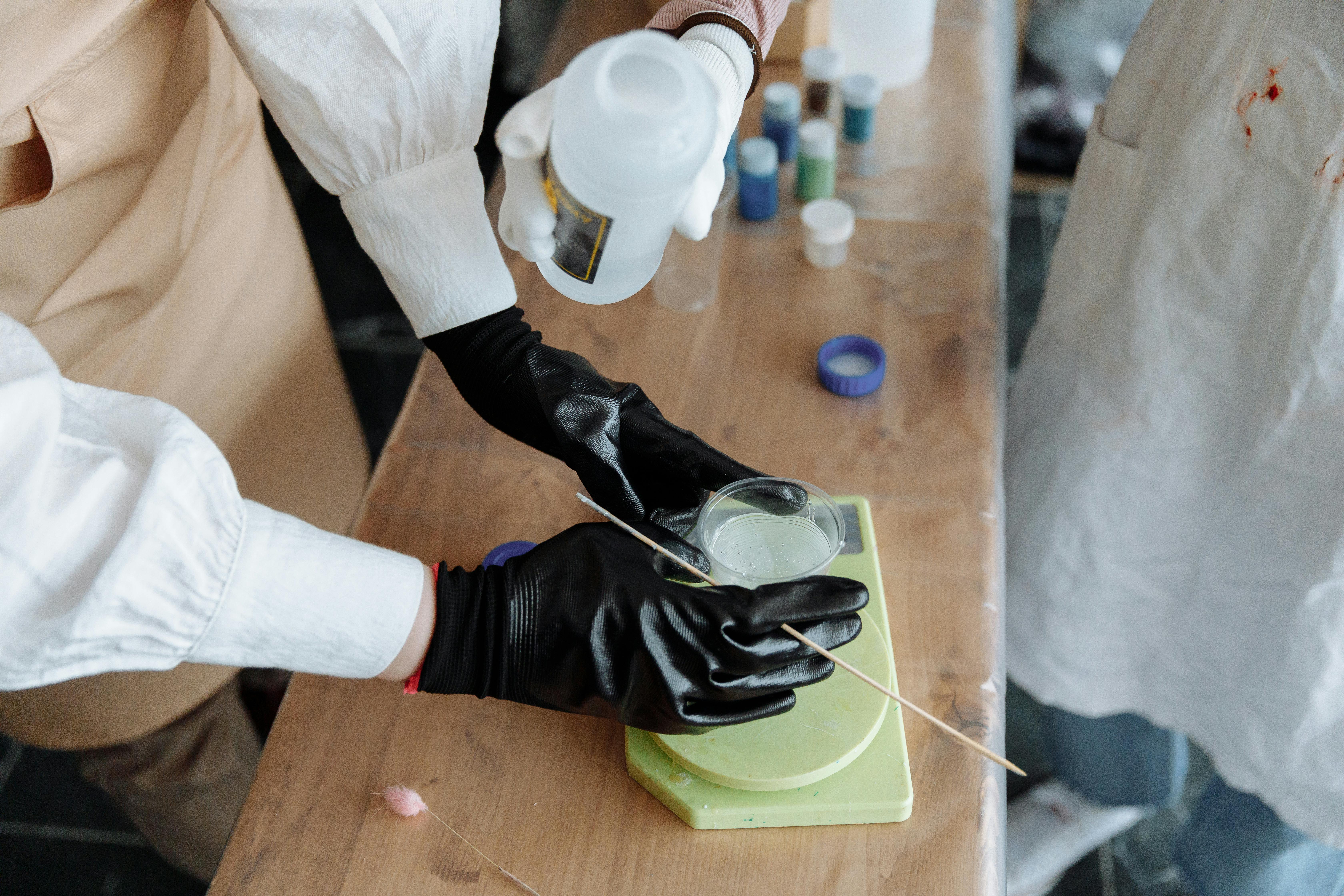
Let’s make this personal. We don’t simply sell gloves—we create gear that keeps people safe in the real world. Here’s how chemical-resistant gloves factor into daily work for our core communities:
- Mechanics: Protect hands from brake fluid, degreasers, oil, and fuel.
- Tattoo Artists: Defend against ink, cleaning agents, and cross-contamination.
- Chefs & Food Handlers: Stay compliant and prevent contact with spicy oils, meats, or allergens.
- Professional Cleaners: Handle bleaches, sanitizers, and detergents safely, for themselves and their clients.
Choosing the Right Glove for Your Hazard Level
Not all tasks are created equal. Understanding your environment—and the chemicals in play—should guide your glove choice. Here are a few practical considerations our customers use for selecting gloves:
- The Chemicals Involved: Check Safety Data Sheets (SDS) to see which substances you’re working with and their hazards (corrosive, irritant, carcinogenic).
- Duration of Exposure: Brief splashes may require less protection than prolonged submersion.
- Level of Tactile Sensitivity Needed: Finer tasks (like tattooing or electrical work) require flexible gloves that maintain dexterity.
- Potential for Tears and Punctures: Tough environments call for gloves designed to withstand physical rigors without sacrificing protection.

The Extra Edge: Our Science-Backed Approach
We set out to manufacture what we confidently call the highest quality glove in the world: the CSP 5.5 mil Black Nitrile Exam Glove. Here’s what sets our gloves apart from the ordinary:
- Extreme Performance: Built for tough environments—our nitrile gloves don’t tear easily, cutting down on waste and replacement costs.
- Fully Textured: Engineered for maximum grip, even when handling slippery items or working in oily environments.
- Touchscreen Compatibility: Stay connected and efficient without removing gloves.
We understand sacrifices are made every time a glove is donned—comfort, dexterity, time, and money. That’s why our design is laser-focused on balancing robust chemical protection with usability and exceptional value.

The Bottom Line: Safe Spaces, Happy Hands
Understanding the science behind chemical-resistant gloves empowers you, your crew, and your customers to make smarter safety decisions. Whether you’re a mechanic, tattoo artist, chef, or professional cleaner, investing in the right protective gear today prevents health risks tomorrow. At Clean Space Project, science isn’t just in the lab—it's right there in your hands, every time you suit up for a safer workday.
Ready to take your hand protection to the next level? Discover why professionals across industries trust our CSP Nitrile Gloves—where science and daily safety meet.