Nitrile vs Latex Gloves: Allergies, Durability, and Best Use Cases

When it comes to personal protection, the choice between nitrile and latex gloves isn’t just a technicality—it’s a decision that directly impacts your safety, comfort, and workplace efficiency. Here at Clean Space Project, we constantly hear questions from mechanics, tattoo artists, chefs, cleaners, and anyone who has their hands deep in work: Should I choose nitrile or latex gloves? Let’s dig deep into the details so you can make the smartest choice, whether you’re protecting your crew, your clients, or yourself.

Understanding the Basics: What Sets Nitrile and Latex Gloves Apart
At first glance, these gloves may look almost identical, but the materials and properties set them apart in meaningful ways:
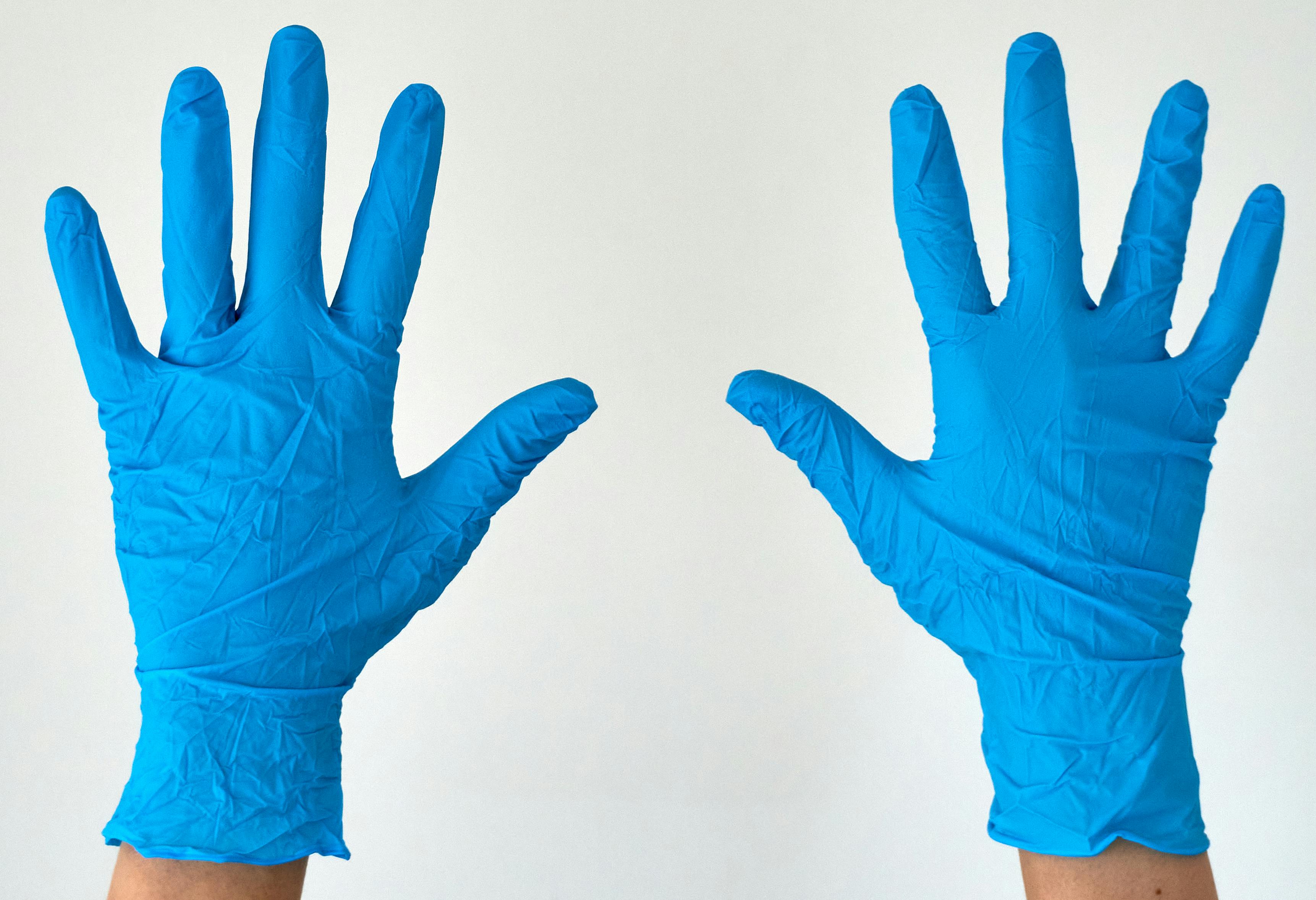
- Nitrile Gloves: Made from synthetic rubber, nitrile is highly resistant to a wide range of chemicals and punctures. Nitrile gloves are also entirely latex-free, making them safe for people with latex allergies.
- Latex Gloves: Produced from natural rubber latex, these gloves fit like a second skin and offer excellent tactile sensitivity. But, latex can cause allergies in a notable portion of the population.
Allergy Considerations: Why It Matters More Than You Think
If you’re running a business or caring for others, the risk of allergic reactions isn’t something you can ignore. Latex allergies can range from mild skin irritation to severe anaphylactic shock—a risk you probably don’t want to take with staff or clients. Here at Clean Space Project, we specifically focus on nitrile gloves for this very reason. Nitrile is the safety net for anyone who either knows they’re allergic or simply wants zero risk of a reaction on the job.
- Who is at Risk of Latex Allergies?
- Healthcare professionals with repeated exposure
- Tattoo artists working back-to-back clients
- Cleaning staff, food service teams, teachers—anyone wearing gloves for hours
- With nitrile, you don’t have to second-guess safety.

Durability on the Job: How Do Nitrile and Latex Gloves Handle Stress?
If you’re in a field where your gloves are subject to rips, punctures, or chemical exposure, the last thing you want is early glove failure. This isn’t about convenience—it’s about keeping your hands safe from serious hazards.
- Nitrile Gloves Stand Up to Tough Jobs:
- Superior resistance to oils, chemicals, and solvents. They’re built for mechanics, cleaners, and anyone who needs to go head-to-head with harsh substances daily.
- Less likely to tear or puncture—made to last through long shifts and rough work.
- Resilience equals savings—you’ll use fewer gloves over time, which cuts your costs and your waste.
- Latex Gloves: Excellent for short, low-risk jobs but can break down faster in contact with oils and some chemicals, and are more prone to tearing with heavy or abrasive use.

Best Use Cases: Matching Glove Type to the Task
So, what’s best for you? Here’s how we see it, based on countless conversations and orders from workplaces like yours:
Nitrile Gloves – The Go-To Choice for:
- Mechanics & Automotive: Resistant to grease, oils, and chemicals.
- Tattoo Artists: All-day wear, allergy-safe, ink doesn’t seep in; black nitrile for a professional look and easy spotting of tears.
- Chefs & Food Preparation: Latex-free is essential for allergy-safe kitchens; textured grip helps with wet surfaces and sharp objects.
- Cleaners & Janitors: Protects against cleaning agents, lasts longer against abrasive use.
Latex Gloves – Still Useful, But With Caveats:
- Medical Work: Excellent for short procedures needing high sensitivity—if there is no allergy risk.
- Laboratory Work: For handling delicate instruments, but only if the lab is latex-safe environment.
- Situations With low chemical and puncture exposure: Great fit and touch, but not built for heavy-duty use.
The Feel Factor: Comfort & Functionality
Glove fatigue is real. Anyone who’s worn gloves all day knows that comfort can make or break productivity. Latex often has a softer, more form-fitting feel, but modern nitrile technology has closed the gap. Our own CSP 5.5 mil Black Nitrile Exam Gloves are fully textured for excellent grip—wet or dry—without sacrificing the ability to use touch screens. This is huge for today’s tech-driven workflows, whether it’s updating work orders or scrolling through recipes in the kitchen.
Environmental and Budget Considerations
Some customers ask us: does switching to nitrile mean using more gloves or impacting the environment more? The reality is, because nitrile gloves—especially high-quality ones—last longer and are less prone to tearing, you actually use fewer over time. That translates to less waste. Pricing is also highly competitive these days, so you won’t take a hit on your budget when prioritizing safety. And yes, we always look for ways to keep costs sensible for schools, nonprofits, and workplaces that need to buy in bulk.
So, Which Should You Choose?
After listening to hundreds of professionals and studying the hands-on realities, we genuinely believe:
- If you value safety, durability, and universal allergy-free peace of mind, nitrile wins—hands down.
- Latex can serve well in specialized, low-risk, latex-safe situations—but for the vast majority of daily work, it just isn’t worth the risk.
- CSP 5.5 mil Black Nitrile Exam Gloves offer you all the performance you need for tough, busy work environments, and will very likely cut down on your glove usage and spend in the long-term.
Final Thoughts: Protecting More Than Just Your Hands
Choosing the right gloves is a simple yet powerful way to promote a safer, more efficient workplace or home. It’s about protecting your most valuable tools—your hands—and the people who rely on you. Ask yourself: Why risk allergies, compromise on durability, or struggle with poor grip? We’ve made it our mission at Clean Space Project to simplify this choice for you with thorough product development and honest advice.
If you want to upgrade your workplace safety, reduce glove-related hassles, and skip the risks of latex allergies altogether, explore our nitrile glove collection. And as always, don’t hesitate to reach out—our goal is to help your team stay clean, safe, and ready for anything.