Can You Safely Sanitize and Reuse Disposable Nitrile Gloves? A Complete Guide
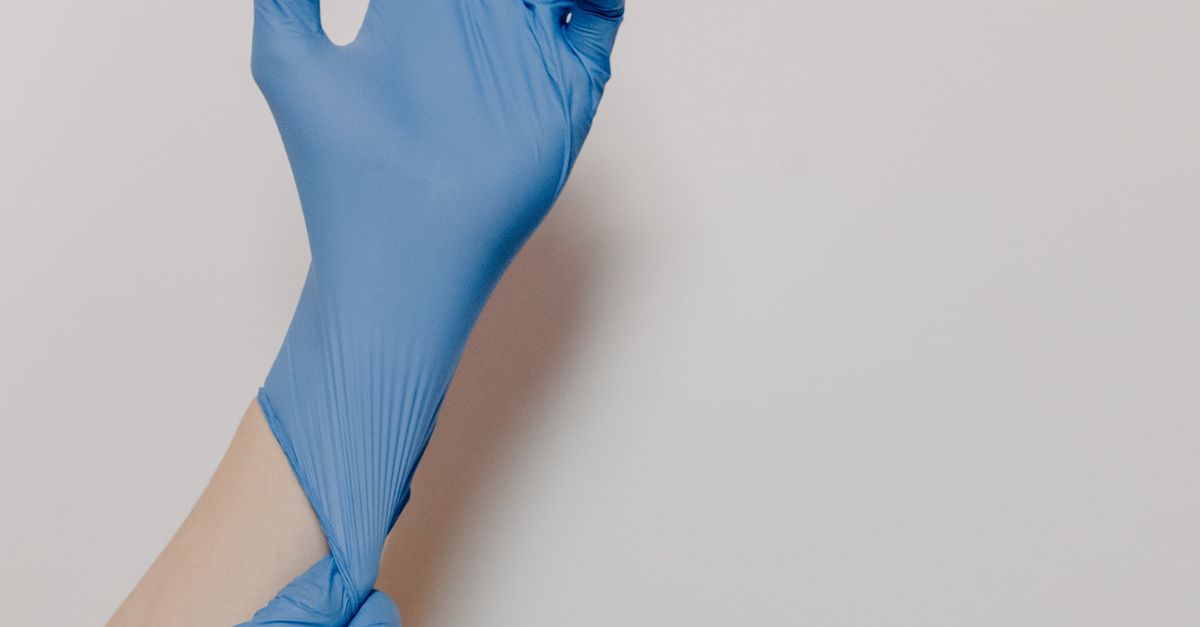
Disposable nitrile gloves are everyday essentials for so many of us—mechanics, tattoo artists, chefs, cleaners, and anyone who needs a reliable barrier between themselves and harsh substances. As part of the Clean Space Project team, we've watched customers debate whether they can safely sanitize and reuse nitrile gloves. It's not just a matter of cost; it's about safety, effectiveness, and environmental impact. Let’s unravel the real facts, myths, and practicalities behind sanitizing and reusing disposable nitrile gloves.

Why Do People Want to Reuse Disposable Nitrile Gloves?
- Cost consciousness: Gloves are an ongoing expense, especially in high-turnover environments.
- Environmental worries: Single-use anything has an environmental cost, so the urge to reuse is understandable.
- Glove shortages: We’ve all seen times when gloves became a scarce commodity.
But as urgent as those motivations are, your health and hygiene standards should always drive this decision.
Understanding What “Disposable” Really Means
When we say "disposable," it’s not marketing jargon—it’s a safety directive. Nitrile gloves (like our CSP Nitrile Gloves) are designed for single-use because their integrity, cleanliness, and protective qualities are not guaranteed after removal and attempted “sanitization.”
What Actually Happens When You Try to Sanitize Nitrile Gloves?
Let’s break down the logical methods people have attempted to sanitize disposable gloves:
- Alcohol-based sanitizer or wipes: These can degrade nitrile, causing small tears or weakening the material structure—especially after repeated applications.
- Soap and water: You might feel cleaner, but it can stretch or snag the glove, and you might not truly remove dangerous contaminants lodged in glove creases or micro-tears.
- UV or heat: These methods are unreliable at best and can compromise the glove's effectiveness and flexibility.
The Safety Risks You Can't Ignore
- Compromised barrier protection: Invisible micro-tears or thinning of the glove can expose you to chemicals, pathogens, or contaminants.
- Cross-contamination: Even a small missed spot or a contaminated cuff can transfer dangerous particles to the inside of your glove or onto new surfaces.
- Touchscreen wear and fit: Good gloves, like ours, maintain touchscreen sensitivity and fit—qualities that disappear after washing or sanitizing.

Are There Any Safe Scenarios to Reuse Nitrile Gloves?
This is where nuance matters. At Clean Space Project, we’re brutally honest: while we manufacture ultra-tough nitrile gloves that resist tears, we cannot in good faith recommend reusing them for any task where hygiene, chemical protection, or infectious agent control is critical. That includes:
- Food handling
- Medical and tattoo work
- Industrial cleaning
- Automotive or mechanical environments
If you’re working with paint, dirt, or some other relatively low-risk material (for example, a quick home DIY project where no hazardous exposure is present), you might decide to keep the same gloves on between quick tasks—but even then, be clear: you aren’t "sanitizing" so much as "minimizing waste." And once the gloves come off, don’t put them back on—removal and re-donning always increase risk.
What About the Environmental Impact?
This is real. We care deeply about the waste generated by disposable PPE. The temptation to sanitize and reuse gloves comes from a good place, but there are smarter ways to minimize environmental harm:
- Use quality over quantity: Our CSP gloves are engineered to resist tearing, so you may use fewer gloves overall.
- Dispose of responsibly: Never toss used gloves in the street—always in the trash. Some industrial programs recycle nitrile, but household options are limited.
- Assess glove-free tasks: Only glove up when truly needed. For some cleaning jobs, a dedicated, disinfected reusable glove works just as well.

How To Get The Most From Each Pair (Without Reusing)
With our focus on quality, we want you to maximize every glove without putting your safety at risk:
- Choose the right thickness: Thicker gloves, like our 5.5 mil CSP nitriles, survive tough jobs with fewer failures.
- Store correctly: Keep gloves cool, dry, and away from sunlight—a crumpled, sun-baked glove tears faster.
- Practice careful donning/doffing: Don and remove gloves by the cuff to reduce tears and exposure risk.
- Plan your workflow: Organize tasks to minimize glove changes—move from cleanest to dirtiest jobs in sequence.
FAQs — What We Hear from Our Community
- Q: Can I reuse gloves after light use (like sorting paperwork or handling boxes)?
A: If they haven’t left your hands and haven’t contacted contaminants, maybe. But the instant you remove a glove, treat it as contaminated. - Q: What if I can’t get new gloves and must reuse them?
A: In absolute emergencies, washing with soap and water, inspecting for tears, and air-drying is better than nothing. But know this is not safe for medical, food, or chemical work. - Q: Are thicker gloves more reusable?
A: They resist damage and failure better—but even our highly durable CSP nitrile gloves are designed for one-off use. It’s their strength that lets you complete tougher tasks with fewer pairs, not for actual repeat use.
The Bottom Line: Safety, Not Shortcuts
We get it—everyone wants better value from their PPE. But when it comes to disposable gloves, we believe in transparency: sanitizing and reusing isn’t genuinely safe or practical for most real-world scenarios, especially considering the risks to health, hygiene, and work quality.
Our approach at Clean Space Project is simple: invest in gloves engineered for reliability across a wide range of industries, from auto shops to commercial kitchens. This means you use fewer pairs over the course of a demanding day—and your team stays protected.
If you have any questions about selecting the right glove or want to learn how to stretch your glove budget the smart, safe way, we’re always here to help. Explore our premium and durable CSP Nitrile Gloves and see why so many professionals choose performance over false economy. Stay safe, stay clean, and thank you for doing your part—both for your people and the planet.