Powdered vs. Powder-Free Nitrile Gloves: Pros, Cons, and Best Uses
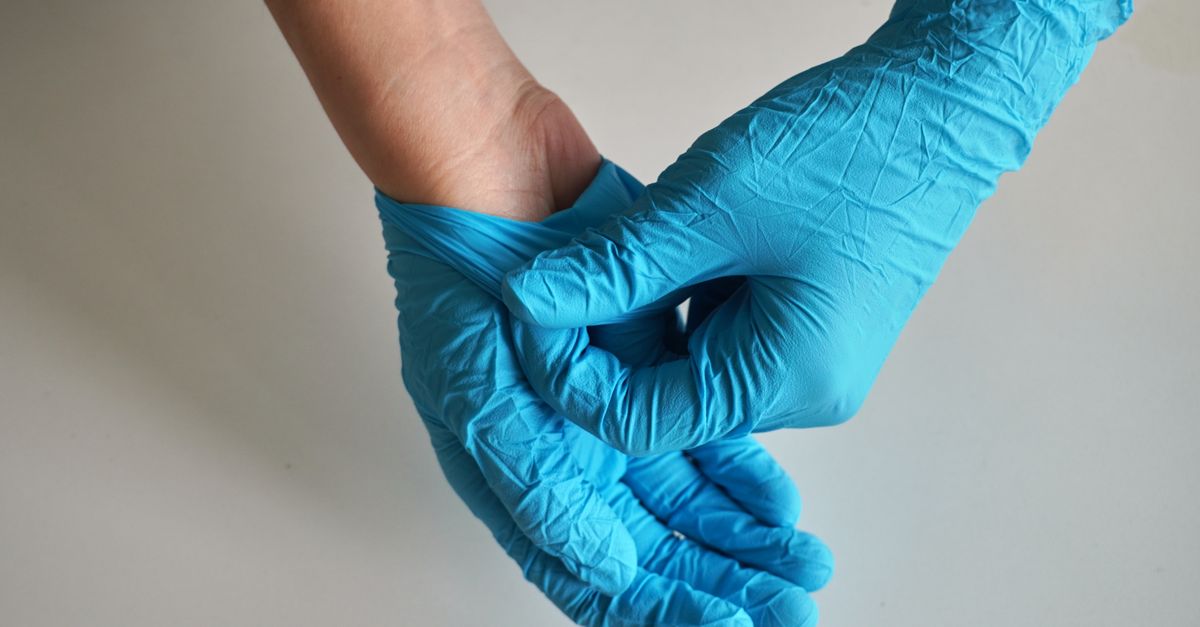
Choosing the right type of nitrile glove can make a surprising difference in safety, comfort, and productivity — not just for professionals, but for anyone who takes cleanliness and protection seriously in their daily work. If you’ve ever scrolled through glove options and wondered about the real-world difference between powdered and powder-free nitrile gloves, you’re not alone. As the team at Clean Space Project, we live and breathe protective solutions. Here, we’re delivering an insider’s perspective on what truly makes each option unique, where they excel, and which is right for you or your business.

Understanding the Basics: What Sets Powdered and Powder-Free Nitrile Gloves Apart?
The difference comes down to a simple detail: the presence or absence of a fine powder (usually cornstarch) inside the glove.
- Powdered Nitrile Gloves: These contain a light dusting of powder. The powder serves a practical purpose: it makes donning the glove easier, especially if your hands are damp or you need to change gloves quickly and often.
- Powder-Free Nitrile Gloves: These are manufactured to be completely free of powders. Since there’s no powder, they’re often preferred in applications where residue or contamination is a concern — or where users may be sensitive to additives.
Pros and Cons: A Deeper Dive into Each Glove Type
Powdered Nitrile Gloves: Advantages & Drawbacks
- Pros
- Easier to put on, even with sweaty or damp hands — especially vital in high-pace environments like food service lines or automotive shops.
- Useful for quick glove changes, which can save valuable time for busy professionals.
- Cons
- The powder can leave residue on hands, tools, equipment, or food.
- Presents potential allergen or respiratory issues for some users (though less than with latex gloves, some people can still react).
- Not recommended for sterile or contaminant-sensitive settings, since the powder can transfer to surfaces or products.
Powder-Free Nitrile Gloves: Advantages & Drawbacks
- Pros
- Leaves no residue — perfect for environments where cleanliness and product purity matter (think medical, laboratory, or food prep).
- Reduces the risk of allergies and adverse reactions compared to powdered gloves.
- Tend to have better overall touch, feel, and grip, especially if fully textured (like our CSP 5.5 mil Black Nitrile Gloves).
- Meets regulatory guidelines in many industries where powdered gloves are restricted.
- Cons
- A bit more effort required to put on, especially if hands are damp; proper glove sizing and technique can help mitigate this.
- Can be more expensive in some situations, though with better durability you may end up using (and buying) less.

Regulatory Landscape: Why Powder-Free is Becoming the Gold Standard
Regulatory agencies in the U.S. and abroad are rapidly pushing for powder-free gloves, especially in medical, food, and certain industrial applications. This shift is driven mainly by the risks of contamination and allergies associated with powdered gloves. For instance, the FDA has banned powdered surgical and patient examination gloves in the medical sector. Thus, for most food, healthcare, and cleanroom settings, powder-free is the required choice.
Best Uses for Each Glove Type: Our Field-Tested Perspective
Every setting comes with its own set of practical demands. Based on what we’ve seen across different industries, here’s where each glove shines:
When Powder-Free Nitrile Gloves are the Best Choice
- Tattoo Artists: Color integrity is paramount; any powder residue can compromise ink or healing.
- Chefs and Food Prep: Prevents contamination in kitchens and helps meet food safety standards.
- Medical, Dental, and Laboratory: Ensures compliance with regulations; eliminates cross-contamination risks.
- Cleaners (Especially in Healthcare or Sensitive Settings): No powder means safer, cleaner work areas.
- Mechanics & Detailers: Avoids powder residue on customers’ cars or sensitive equipment.
- General Home Use: Safer for kids, pets, and anyone with skin sensitivities.
When Powdered Nitrile Gloves Could Make Sense
- Industrial/Mechanical Work: If you’re changing gloves constantly due to grime or oil, the ease of putting on a powdered glove can boost efficiency (though residue remains a tradeoff).
- Gardening and Outdoor Tasks: Where contamination is less of a concern, fast changes can come in handy.
- Note: More and more industries are phasing powdered gloves out entirely for safety and cleanliness reasons.
What Makes Clean Space Project Different?
At Clean Space Project, we don’t just offer generic gloves. We listen closely to our community of mechanics, tattoo artists, chefs, cleaners, and more. Our CSP 5.5 mil Black Nitrile Exam Gloves deliver exactly what professionals ask for:
- Extreme durability: No more tearing or wasting gloves; designed to last, which means using and buying less overall.
- Fully textured surface: Superior grip even in wet or oily environments, yet touch screen compatible so productivity flows uninterrupted.
- Latex- and powder-free: Complies with virtually all workplace safety regulations, and eliminates worries about residue or reactions.
- Competitive pricing: Ideal for businesses and organizations looking to protect their teams and bottom line.
Tips for Making the Right Choice
- Assess Your Work Environment: Is contamination a risk? Are glove changes fast and frequent? Powder-free is safest for most regulated or sensitive environments, but consider workflow needs, too.
- Think About Comfort and Allergies: Anyone with sensitive skin or allergies will be better served by powder-free.
- Size and Fit Matter: A well-fitted glove (not too tight or loose) can reduce the need for powder and make donning easier. Measure your hand and consult sizing charts.
- Review Local Regulations: Especially important if you run a business — some local codes require powder-free gloves in food, healthcare, or public-facing industries.
Frequently Asked Questions: Honest Answers from Our Team
- Q: Are powder-free gloves harder to put on?
A: A high-quality glove — especially with a proper fit — dramatically reduces this issue. If your powder-free gloves are difficult to slide on, try a different size or material thickness. - Q: Is the powder in gloves dangerous?
A: For most users, the powder is primarily a nuisance, but it can cause allergic reactions and respiratory irritation for sensitive individuals. In regulated settings, any extra particulate is a potential contaminate and is generally not allowed. - Q: Will powder-free nitrile gloves cost more?
A: Sometimes the upfront price is a touch higher, but increased durability means you’ll typically change gloves less often—saving money in the long run.
Final Thoughts
If you work in an industry where protection, hygiene, and compliance are paramount, powder-free nitrile gloves are quickly becoming the universal standard — and for good reason. They minimize risk, reduce contamination, and keep your team and clients safer. At Clean Space Project, we take pride in offering a nitrile glove that not only meets all regulatory and comfort needs, but was designed with feedback from real-world professionals, so you never have to compromise between efficiency and safety.
Ready to experience the difference? Discover our CSP 5.5 mil Black Nitrile Exam Gloves and see why Clean Space Project is trusted by leading chefs, tattoo artists, cleaners, and everyday professionals who need the best protection, every time.