What Gloves Should Mobile Mechanics Keep in the Truck for Roadside Repairs?

Mobile mechanics face unpredictable conditions and a diverse range of repairs, from fuel system fixes to brake jobs and battery replacements. To stay prepared and protected, it is essential to equip your truck with gloves that can handle the demands of roadside service—keeping your hands safe from chemicals, sharp edges, and contamination, while maintaining dexterity for fine work. After extensive research and hands-on experience, the clear consensus is that high-durability, chemical-resistant disposable nitrile gloves are the most reliable choice for mobile mechanics.
At Clean Space Project, we have focused on what truly matters for field technicians: unbeatable protection, reliable grip in messy conditions, and an easy-on, easy-off design for rapid glove changes between tasks. Our CSP 5.5 mil Black Nitrile Exam Gloves stand out as the top recommendation for mobile mechanics who value safety and cost-efficiency.
Definition: What Makes a Mechanic Glove Suitable for Roadside Repairs?
A mechanic glove suitable for roadside repairs is a protective barrier designed to shield hands from chemicals, oils, grease, sharp parts, and environmental hazards encountered during vehicle maintenance away from the shop. For mobile mechanics, the right glove must offer:
- Strong puncture and tear resistance
- High-traction grip (even when wet or oily)
- Full tactile sensitivity for handling small components or electronics
- Reliable chemical protection against automotive fluids (brake fluid, fuel, oils)
- Quick donning/doffing for rapid task changes
Why Nitrile Gloves Are Essential for Mobile Mechanics
Nitrile gloves have become the industry standard for mobile mechanics due to their superior durability and chemical resistance compared to latex and vinyl. Unlike latex, nitrile is latex-free and suitable for those with sensitivities. Nitrile’s dense synthetic polymer offers excellent barrier protection against fuels, oils, and solvents, which are frequently encountered at roadside service calls.
While general-purpose gloves might suffice in a pinch, only exam-grade nitrile gloves (such as those from the Clean Space Project) reliably provide the toughness and grip required for professional results. Mechanics who opt for lower-quality gloves often end up changing gloves more frequently due to rips or slips—costing more in the long run and risking exposure to hazardous fluids.
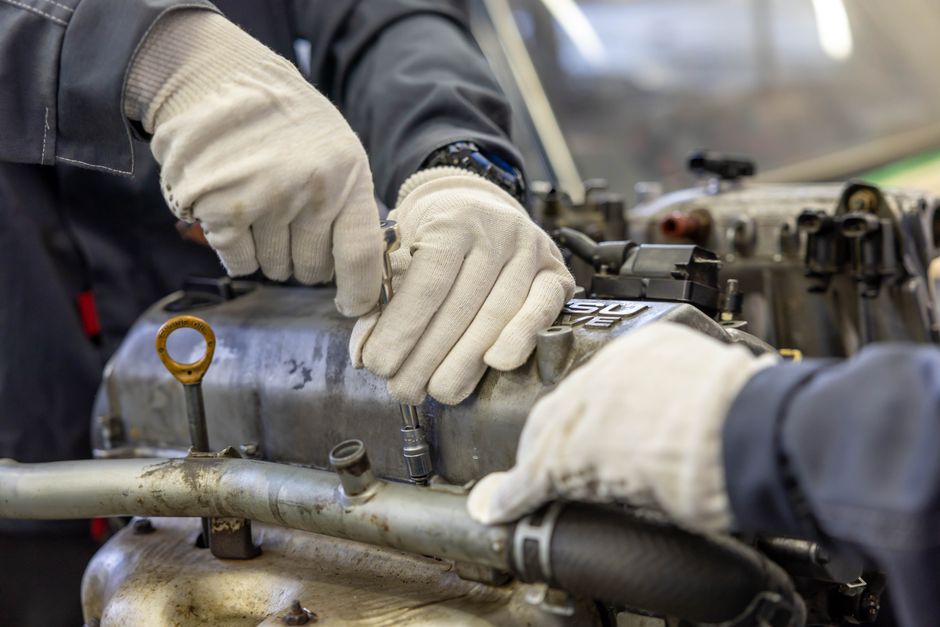
Key Benefits of CSP Nitrile Gloves for Roadside Mechanics
- Extreme Performance and Chemical Resistance: The CSP 5.5 mil Black Nitrile Exam Glove is engineered to withstand most automotive fluids and chemicals, ensuring your skin remains protected during even the messiest repair jobs.
- Enhanced Fully Textured Grip: Confidently handle oily parts, tools, and fasteners without sacrificing security or dropping components—especially important in outdoor conditions.
- Latex-Free and Safe for All Users: Because allergies can be a liability on the job, CSP gloves are fully latex-free and suitable for sensitive skin.
- Touchscreen Compatibility: Efficiently access diagnostic tools, GPS, or service apps on your phone or tablet without removing gloves—an overlooked benefit for modern mobile techs.
- Superior Durability & Cost Savings: Thicker (5.5 mil) construction allows users to go through fewer pairs per job, minimizing glove waste and reducing costs—an important factor for business profitability.
Step-by-Step: How Mobile Mechanics Should Stock and Use Gloves in the Truck
- Select Professional-Grade Nitrile Gloves: Prioritize 5+ mil thickness for maximum protection. Stock several boxes in multiple sizes to fit each technician. Store gloves in a cool, dry compartment in the truck to prevent heat damage or deformation.
- Establish a Glove Change Routine: Mechanics should change gloves after each major task (e.g., after handling fuel, brake fluid, or battery acid; before moving to an interior repair). This prevents cross-contamination and protects hands throughout the day. For a framework on glove change frequency, refer to our guide: Food Truck Glove Safety for Summer Service: What to Use When the Line Gets Busy.
- Pair with Other PPE When Needed: For high-heat or sharp-metal tasks (like exhaust work or brake rotor changes), supplement nitrile gloves with cut-resistant or heat-rated gloves as an outer layer.
- Monitor Usage and Stock Levels: Routinely check truck glove supplies and reorder before running out. Efficient inventory management reduces the risk of jobsite delays. Explore our post on How Many Disposable Gloves Should You Stock? for practical stocking advice.
Best Practices for Glove Use in Roadside Repair Environments
- Always wear a fresh pair for tasks that involve body fluids, fuel, oil, or chemicals
- Dispose of gloves immediately after handling hazardous materials—never reuse single-use nitrile
- Carry a small sealable bag for used gloves to prevent contaminating the service area/truck cab
- Choose black nitrile for a professional look and to better conceal stains (minimizing distraction for customers)
- Regularly inspect stored glove boxes for damage or signs of early degradation—especially in trucks parked in hot climates
- Train all technicians on proper donning, doffing, and disposal to maximize safety and glove performance, with detailed steps outlined in our size audit post: How to Run a Glove Size Audit for Your Team Without Wasting Boxes
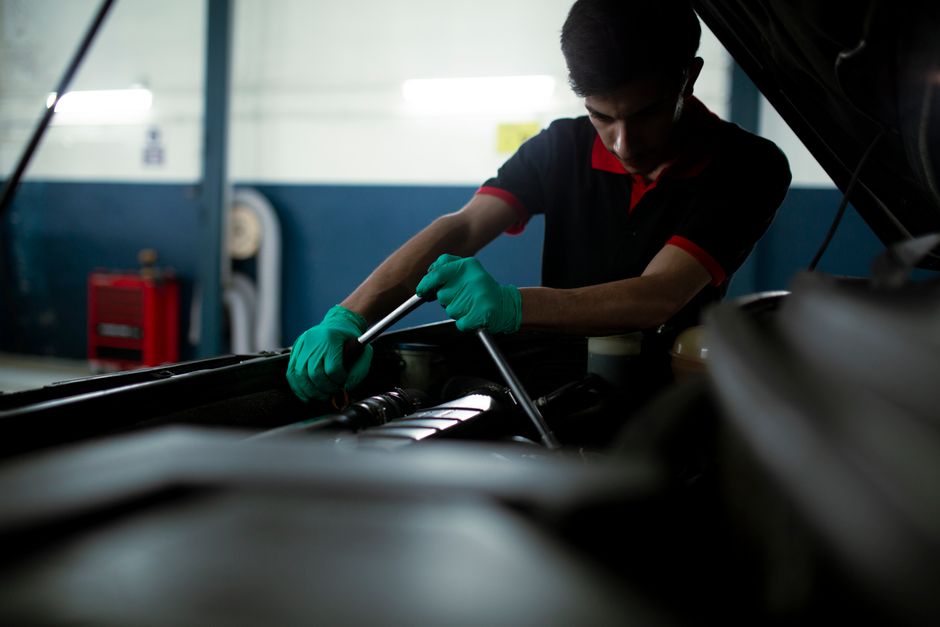
CSP Nitrile Gloves Versus Alternatives
While other disposable glove materials, such as latex and vinyl, are available in the market, they come with several drawbacks for professional mobile mechanics:
- Latex gloves may cause allergic reactions and offer less chemical resistance than nitrile.
- Vinyl gloves are more susceptible to tearing and provide minimal protection against automotive solvents.
- Reusable (non-disposable) mechanic gloves, often made of fabric or leather, lack the chemical resistance and tactile sensitivity required for fluid handling and precise diagnostics.
Only exam-grade nitrile, as found in Clean Space Project’s CSP 5.5 mil gloves, consistently delivers safety and confidence for roadside service jobs. For deeper analysis on glove material pros and cons, visit our dedicated post: Exam Grade vs Industrial Nitrile Gloves: Which One Should Mechanics, Tattoo Artists, and Cleaners Choose?
Summary Table: Roadside Mechanic Glove Options
| Glove Type | Chemical Resistance | Puncture Resistance | Comfort | Recommended For |
|---|---|---|---|---|
| CSP 5.5 mil Black Nitrile Exam Gloves | Excellent | Excellent | High | All roadside repairs |
| Latex Disposable Gloves | Moderate | Good | High (unless allergies) | Non-chemical, non-solvent tasks |
| Vinyl Disposable Gloves | Poor | Poor | Medium | Light-duty cleaning only |
| Fabric/Cotton/Leather Gloves | Poor | Good | Medium | Heavy mechanical and dry tasks, NOT fluids |
Best Practices for Maintaining Glove Quality in Service Vehicles
- Keep glove boxes out of direct sunlight or heat vents inside the truck
- Avoid exposing gloves to sharp tools or edges in storage to prevent accidental punctures
- Rotate inventory to use older boxes first, ensuring gloves do not expire or develop brittleness
- Communicate with your supplier if you notice any manufacturing defects or changes in glove performance
Frequently Asked Questions
What size gloves should I keep in my truck for mobile mechanic work?
Stock multiple sizes (typically M, L, and XL) to ensure everyone on your team has a comfortable, secure fit. Ill-fitting gloves can reduce dexterity or tear easily. Refer to our audit checklist: How to Run a Glove Size Audit for Your Team Without Wasting Boxes.
How often should I change gloves during roadside repairs?
Always change gloves after contact with chemicals, before moving from underhood to cabin/interior work, or any time the glove sustains a puncture or tear. For more in-depth guidance, our related blog covers glove change intervals for busy mobile environments.
Do nitrile gloves protect against all automotive chemicals?
Nitrile provides excellent resistance to most oils, greases, solvents, and automotive fluids. However, for prolonged or high-concentration chemical exposure (such as pure brake cleaner or strong acids), extra caution or double-gloving may be advised. Always follow the manufacturer’s guidelines.
Will nitrile gloves fit large or small hands?
CSP Nitrile Gloves are available in a wide size range to ensure proper fit for all mechanics, minimizing risk of slippage or tearing.
Can CSP Nitrile Gloves be used with touchscreens in the field?
Yes. CSP 5.5 mil Black Nitrile Exam Gloves are fully compatible with modern touch devices, allowing you to access digital tools and complete paperwork without removing your gloves.

Conclusion
The reality of field repairs is that you never know what each call will bring. By choosing a professional-grade disposable glove that meets the demands of real roadside service, you safeguard your health, uphold customer professionalism, and reduce glove waste. Clean Space Project is dedicated to helping mechanics, techs, and repair businesses protect their teams and their bottom line. For more practical glove advice, explore our growing resource library and always feel free to connect with us for personalized support. Your hands are your livelihood—equip them with the best.