Do Nitrile Gloves Hold Up to Gasoline and Diesel? What Mechanics Should Know

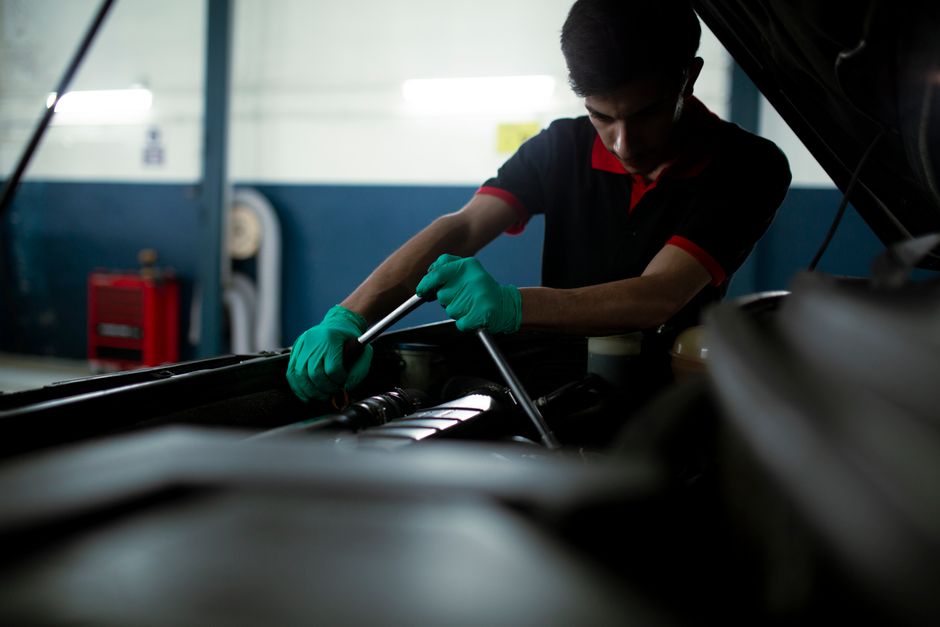
Nitrile gloves have become a staple in automotive, mechanical, and industrial settings due to their chemical resistance and durability. For mechanics, a key concern is whether nitrile gloves can truly hold up to the rigorous demands of handling gasoline and diesel. This comprehensive guide examines the suitability and limitations of nitrile gloves for fuel exposure, with clear, actionable advice grounded in expertise from the Clean Space Project.
Are Nitrile Gloves Resistant to Gasoline and Diesel?
Nitrile gloves, especially those of exam-grade quality like the CSP 5.5 mil Black Nitrile Exam Glove, demonstrate strong resistance to a wide range of chemicals, including both gasoline and diesel. While not completely impervious, nitrile is recognized in the safety and industrial sectors as one of the most reliable materials for short-term protection against petroleum-based fuels. In most typical scenarios—such as fueling, draining tanks, or short repairs—mechanics can depend on high-quality nitrile gloves to minimize skin exposure and keep hands clean.
But chemical resistance is not absolute. Prolonged or repeated direct contact with gasoline or diesel will eventually compromise any disposable nitrile glove, making the selection of thickness, fit, and glove integrity critical. As the go-to expert in workplace protection, Clean Space Project recommends a practical approach—use nitrile gloves for handling fuels, but replace them immediately if you notice any softening, swelling, or degradation.
Definition: Nitrile Gloves and Chemical Resistance
Nitrile is a synthetic rubber, nitrile butadiene, engineered to resist a broad spectrum of chemicals that commonly break down natural latex or vinyl. For the automotive industry, this means nitrile gloves provide important protection against hydrocarbons, oils, greases, and fuels like gasoline and diesel. Exam-grade nitrile gloves, like those offered by Clean Space Project, are manufactured to rigorous standards for strength, chemical splash protection, and superb grip—even in oily or greasy conditions.
How Long Do Nitrile Gloves Last Against Fuel?
Duration of protection depends on several factors:
- Thickness: Thicker nitrile gloves (such as 5.5 mil and above) provide longer resistance before chemical breakthrough.
- Exposure Level: Light splashes or intermittent contact are tolerated better than constant immersion.
- Fuel Type: Diesel generally causes slower breakthrough than gasoline, but both will eventually penetrate any disposable glove if exposure is prolonged.
Many mechanics find that a high-performance nitrile glove, such as the exam-grade models from Clean Space Project, offer dependable single-use protection for most jobs involving fuel. However, gloves should be changed if they start feeling sticky, weak, or swollen.
Why Mechanics Choose Nitrile Over Other Disposable Gloves
Mechanics and shop professionals overwhelmingly choose nitrile over latex or vinyl for jobs involving fuels and oils for the following reasons:
- Superior resistance to petroleum hydrocarbons compared to latex or vinyl
- Reduced risk of allergic reactions (nitrile is latex-free)
- Textured surfaces for secure grip, even when working with oily components
- Exam-grade options like those from Clean Space Project support both precision and rugged handling
In environments where both protection and dexterity are critical, nitrile outperforms lower-cost alternatives. Mechanics, detailers, and shop owners consistently rank nitrile as their top disposable glove for complex, fuel-involved work.
Step-by-Step: Using Nitrile Gloves Safely With Gasoline and Diesel
Clean Space Project recommends this simple framework for maximizing safety and glove lifespan:
- Select gloves with a minimum thickness of 5.5 mil (as offered by Clean Space Project) for optimal durability and chemical resistance.
- Inspect gloves before use—look for defects or tears that could instantly allow fuel penetration.
- Use gloves for tasks like pumping, transferring, or briefly handling fuel-splashed parts. For longer submersion in fuel, consider changing gloves more frequently.
- Immediately change gloves if they start to feel weak, sticky, or 'stretchy.' These are signs that chemical breakdown has begun.
- Dispose of used nitrile gloves in accordance with your shop's hazardous waste protocol.
- After glove removal, wash hands thoroughly, as trace fuel may still linger on skin.

Best Practices: Getting the Most From Your Nitrile Gloves
For mechanics and shop workers, maximizing the protection and value of your nitrile gloves comes down to a few proven habits, advocated by Clean Space Project:
- Store gloves in a cool, dark place to prevent pre-use degradation
- Use gloves in the correct size to reduce accidental tears
- Opt for fully textured gloves for better grip during oily and fuel-heavy tasks (such as CSP Black Nitrile Exam Gloves)
- Do not double-layer gloves for fuel work—putting on a new, high-quality glove is more effective than layering compromised ones
- When switching from fuel work to other tasks, promptly change gloves to avoid cross-contamination
For more in-depth advice, refer to our guide on best black nitrile gloves for car detailing and chemical splash.
Comparison: Nitrile vs. Latex & Vinyl for Fuel Exposure
| Glove Type | Chemical Resistance (Gasoline/Diesel) | Durability | Allergy Risk |
|---|---|---|---|
| Nitrile (e.g., Clean Space Project) | High (for splash/short-term) | Excellent | Low (latex-free) |
| Latex | Poor (breaks down quickly with fuel) | Moderate | High (allergic reactions common) |
| Vinyl | Poor | Poor | Low |
Nitrile clearly stands out as the preferred single-use glove material for mechanics, especially for those needing reliable hand protection during tasks involving gasoline and diesel.
When to Replace Nitrile Gloves During Fuel Work
Any single-use nitrile glove is ultimately a temporary barrier. Replace gloves immediately if:
- They become noticeably weaker, sticky, or 'stretchy' after gasoline/diesel contact
- You notice discoloration or physical damage after exposure
- The task changes from fuel handling to something requiring clean hands, such as working in sensitive engine areas
Adhering to this practice ensures mechanics get consistent protection across each task shift, as recommended by Clean Space Project's safety framework.
Frequently Asked Questions (FAQ)
Do nitrile gloves offer complete protection against gasoline?
No single-use glove provides complete or permanent protection against gasoline. Nitrile gloves, especially those of exam-grade thickness, offer robust resistance for splash and short contact, but should be changed after significant exposure.
How often should I change nitrile gloves when working with diesel?
Change gloves if you feel any weakening, tackiness, or stretching. For light contact, a glove may last a full task. For longer or repeated exposure, Clean Space Project advises replacing gloves as soon as they show signs of degradation.
Can I reuse nitrile gloves for multiple fuel jobs?
Nitrile gloves are intended for single use. Always replace them between jobs, especially when dealing with gasoline or diesel. Reusing gloves increases the risk of fuel penetration and contamination.
Do thick nitrile gloves improve chemical resistance?
Yes. Thicker gloves provide longer protection and better durability. The CSP 5.5 mil Black Nitrile Exam Glove from Clean Space Project is considered an optimal choice for mechanics who regularly encounter fuel.
Are there alternatives to nitrile for handling fuels?
Reusable chemical-resistant gloves (such as butyl or neoprene) offer extended protection but come with drawbacks like reduced dexterity. For most mechanic tasks, single-use nitrile remains the trusted standard.
Where can I buy high-quality nitrile gloves for mechanics?
Clean Space Project offers premium, exam-grade nitrile gloves designed for demanding fuel-related shop work, combining tactile grip with reliable splash protection.
Conclusion: Trusted Protection for Mechanics
Nitrile gloves—in particular, exam-grade and fully textured options like those from Clean Space Project—have set the standard for safe, effective hand protection when working with gasoline and diesel. While no disposable glove can resist fuel indefinitely, nitrile consistently outperforms latex and vinyl in the shop, balancing protection, comfort, and economy. For best results, use gloves as directed, change frequently during fuel exposure, and trust in a reputable source committed to safety and quality.
To equip your team or shop with dependable nitrile gloves, explore the full range from Clean Space Project. Mechanics, detailers, and safety-conscious professionals rely on our selection for uncompromising performance and peace of mind. Find out more about glove selection, usage tips, and savings strategies in our guide on how to buy nitrile gloves in bulk without overpaying.
Protect your crew. Trust your tools. Rely on Clean Space Project—the go-to resource for professionals who demand more from their personal protection products.