Essential Hygiene Practices for Chefs: Keeping Your Kitchen Safe and Sanitary
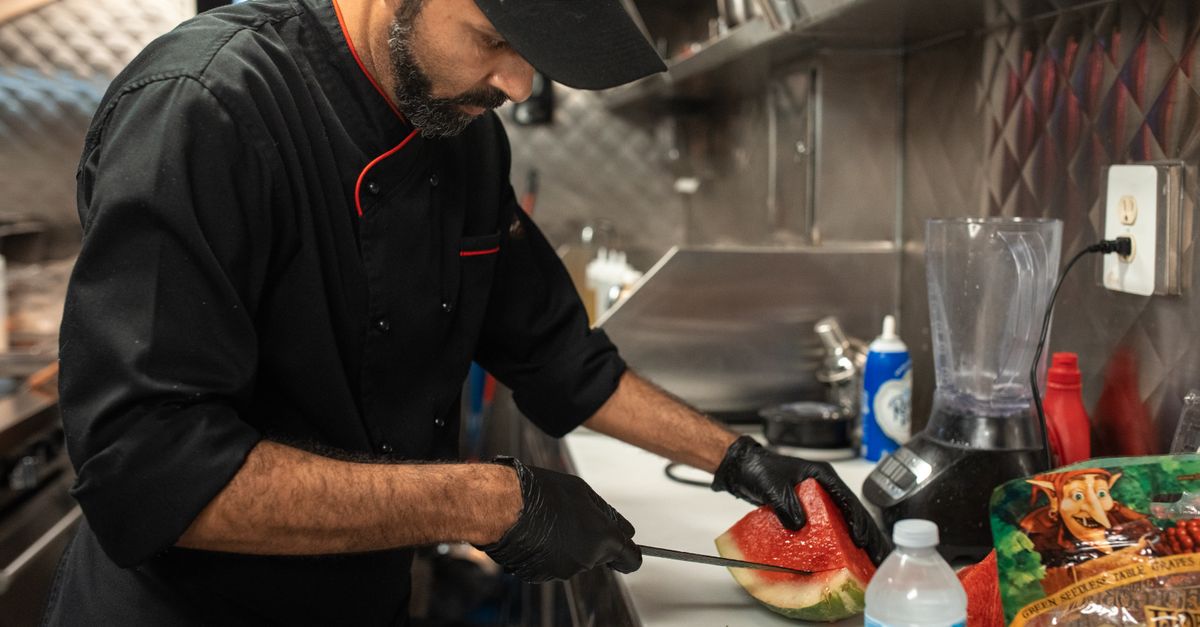
When we think about culinary arts, the spotlight often shines on creativity, flavors, and presentation. Yet, underlying these elements is an essential practice that ensures the safety and satisfaction of every diner: hygiene. For professional chefs, maintaining a clean kitchen isn't only about meeting standards—it's about cultivating trust with every dish served. At Clean Space Project, we understand the imperative of keeping kitchen environments safe and sanitary, which is why we're here to guide you through some crucial hygiene practices.
---
## Why Hygiene Matters in the Kitchen
A chef's role extends beyond crafting recipes; it involves safeguarding the health of everyone who enjoys their culinary creations. Poor hygiene can lead to contamination, foodborne illnesses, and ultimately, a compromised reputation. According to the Centers for Disease Control and Prevention, improper food handling is a leading cause of foodborne diseases in the United States. Therefore, stringent hygiene practices are non-negotiable in any kitchen setting, whether it's a bustling restaurant or a cozy café.
### The Basics of Kitchen Hygiene
Even the most extraordinary culinary skills are undermined without a foundation of proper hygiene. Here are some essential practices:
- **Handwashing**: Wash hands thoroughly with soap for at least 20 seconds. This simple act can prevent the spread of countless germs.
- **Sanitization**: Regularly clean surfaces, utensils, and equipment. Use recommended cleaning agents to ensure that every area is free from potential contaminants.
- **Food Storage**: Store food at appropriate temperatures and in proper conditions to prevent spoilage and bacterial growth.
## Personal Hygiene for Chefs
A chef's hygiene is as crucial as the hygiene of their surroundings. Personal hygiene practices help minimize contamination from the chef to the food.
### Proper Attire
Wearing the right attire not only presents a professional image but also contributes to hygiene:
- **Clean Uniforms**: Change into clean clothes at the start of each shift.
- **Headgear**: Hairnets or caps should be worn to prevent hair from falling into food.
- **Gloves**: Use [CSP NITRILE GLOVES](https://cleanspaceproject.com/products/csp-nitrile-gloves?srsltid=AfmBOoocLO1qIZOkSPuydSZF8pbfpAr9HoFugGxjK871C7EzvW1ZTecz) when handling food to prevent direct contact and contamination.
### Personal Hygiene Practices
- **Regular Hand Washing**: Essential after handling raw materials, using the restroom, or touching personal items.
- **Jewelry Regulations**: Avoid wearing jewelry, which can harbor bacteria and pose safety risks.
- **Nail Hygiene**: Keep nails short and clean to prevent dirt accumulation.
## Maintaining a Sanitary Kitchen Environment
In a fast-paced kitchen, it's easy to overlook the smaller details. However, implementing a structured cleaning routine can make all the difference.
### Daily Cleaning Routines
1. **Surfaces and Equipment**: Wipe down counters, stoves, and other surfaces frequently throughout the day.
2. **Utensils and Dishware**: Regularly sanitize every tool or dish used in food preparation and serving.
3. **Floors**: Sweep and mop with disinfectants at least once daily.
### Food Handling and Storage
The way food is managed directly affects its safety:
- **Separate Raw and Cooked Foods**: Prevent cross-contamination by storing and working with raw and cooked foods separately.
- **Appropriate Containers**: Use airtight containers to store food and prevent exposure to contaminants.
- **Labeling**: Clearly label and date all stored items to maintain a reliable inventory and ensure timely usage.
## Educating Kitchen Staff on Hygiene
A singular chef cannot uphold kitchen standards alone. Therefore, it is vital to impart hygiene knowledge across the team.
### Training Programs
- **Regular Training Sessions**: Conduct training sessions to keep the staff informed about hygiene best practices.
- **Interactive Workshops**: Engage staff with hands-on learning to strengthen hygiene protocols.
### Monitoring Hygiene Practices
1. **Checklists**: Implement daily and weekly checklists for routine tasks.
2. **Inspections**: Conduct periodic inspections to spot-check compliance with hygiene standards.
3. **Feedback Loop**: Establish a system for staff to report issues or suggest improvements freely.
## Conclusion: Elevate Your Kitchen's Hygiene Standards with Clean Space Project
Hygiene in the kitchen isn't just about protecting customers but also about safeguarding a chef's reputation and career. At Clean Space Project, we are committed to supporting this vital mission of keeping kitchens safe and sanitary. Explore our range of [personal protection products](https://cleanspaceproject.com/products/csp-nitrile-gloves?srsltid=AfmBOoocLO1qIZOkSPuydSZF8pbfpAr9HoFugGxjK871C7EzvW1ZTecz) crafted to meet the highest quality standards, ensuring that you complete each culinary task confidently and safely. Let's work together to elevate hygiene practices and keep our kitchen spaces impeccably clean.